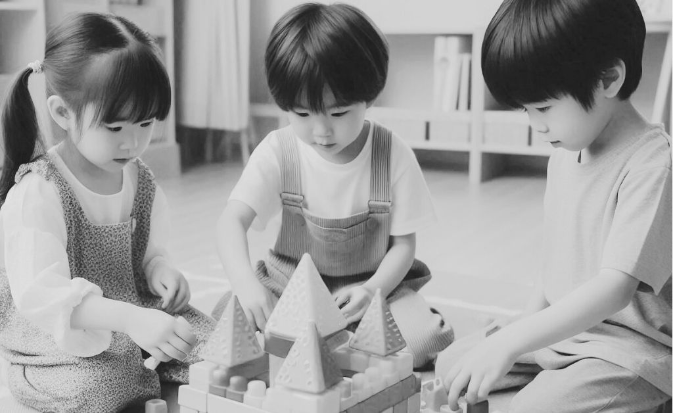
Human Design gives you a simple way to understand how your child is naturally built, without guessing or comparing them to anyone else. It shows you the different ways kids use their energy, communicate, make decisions, and move through the world.
Parenting is a part of life full of constant choices, from morning routines to big emotional moments. It’s easy to feel stretched thin when each child seems to need something different from you. Human Design doesn’t remove the chaos of everyday life, but it gives you a clear language to make sense of it. When you understand how your child is wired, you can respond with more confidence and less pressure.
What Human Design is and how it supports your parenting
Human Design is a system that helps you understand how your energy works. In everyday terms, it shows how you move through life and what helps you feel more like yourself. For kids, it explains their natural rhythms, how they learn, how they recharge, and what makes them feel safe and connected.
Every person has what you can think of as an energetic blueprint. It’s not a label or a box. It’s more like a map that highlights your child’s strengths, sensitivities, and ways of interacting with the world. When you know this map, parenting becomes less about guessing and more about recognising patterns.
There are five Human Design types, and each one shows up clearly in children:
- Generators have steady energy and love responding to what excites them.
- Manifesting Generators move fast, switch interests quickly, and learn through trying things out.
- Projectors see things deeply and often need more rest than other kids.
- Manifestors are independent and like to take the lead.
- Reflectors are sensitive to their environment and pick up on the energy around them.
Understanding your child’s type can reduce everyday problems. You start noticing why one child needs more structure while another needs more freedom. You understand why one child tires quickly while another needs to move constantly. When their behaviour makes sense, the emotional overload eases for both of you.
Why kids show their design so clearly
Kids tend to live from their design without even trying. They haven’t had decades of conditioning telling them to act differently, so their natural energy is much easier to spot. A Generator’s excitement is obvious. A Projector’s need for rest is clear. A Manifestor’s independence shows up early. When you know what to look for, your child’s design becomes almost unmistakable.
At the same time, kids can show signs of being out of alignment. This might look like frustration, withdrawal, anger, or exhaustion. These behaviours don’t mean anything is “wrong” with your child. They’re usually signals that their environment, schedule, or communication style doesn’t match how their energy works. Once you understand their design, these signals start making sense.
Awareness changes everything. When you understand why your child reacts a certain way, you take it less personally. You stop forcing them into a one-size-fits-all routine. You feel less guilt, because you can meet them where they are instead of where you think they “should” be. And your child feels seen, supported, and understood in a way that strengthens your connection every day.
Raising kids by Human Design type
Generator children
How to recognize a Generator child
Generator children often have a warm, steady presence. You can see what lights them up because their whole body seems to say “yes” when something feels right. They’re naturally responsive, which means they thrive when something comes to them rather than when they’re pushed to start things on their own. When a Generator child is excited, it’s obvious. When they’re not, it’s equally clear.
What Generator kids need from you
Generators are built to follow what feels good and energising to them. They need space to explore their interests without being rushed. They also benefit from simple yes or no choices instead of open-ended questions that leave them overwhelmed. When they can respond rather than initiate, everything becomes easier for both of you.
Everyday tips for parenting a Generator
- Ask yes/no questions. Try “Do you want pasta?” instead of “What do you want for dinner?”
- Support hands-on learning. Generators like to engage with the world through doing.
- Encourage physical activity for better sleep. Their energy needs to be used up during the day; otherwise, bedtime can feel impossible.
Manifesting Generator children
How to recognise an MG child
Manifesting Generators are fast-moving, curious, and always juggling a few interests at once. They learn by trying things out, often skipping steps that don’t feel necessary to them. They may jump into something with full excitement, then switch directions just as quickly when they’re done. This isn’t an inconsistency. It’s their design.
What MG kids need from you
MG children need flexibility and the freedom to pivot. Rigid plans can feel suffocating to them, and they thrive when you allow them to explore something intensely, then let it go without guilt. They do best when they’re able to respond like a Generator but also move quickly once their energy kicks in.
Everyday tips for parenting an MG
- Offer choices instead of fixed plans. This helps them stay engaged without feeling boxed in.
- Keep routines open. A structure with breathing room works far better than a strict schedule.
- Use short, simple instructions. MGs move fast, so long explanations often lead to frustration for both of you.
Projector children
How to recognise a Projector child
Projector children often feel like old souls in small bodies. They’re observant and intuitive, noticing things other kids rush past. They pick up on the emotions and intentions of the people around them, and they often have a natural wisdom that shows up in the way they ask questions or explain their thoughts. Projectors usually don’t have the same consistent energy as other types, and they can tire quickly if their day is too packed or too stimulating.
What Projector kids need from you
Projector children thrive when they feel seen, recognised, and included. They need more rest than other kids and benefit from extra downtime between activities. They also feel safest when they receive clear invitations, because it shows them that their perspective is wanted and valued. When you create space for their insights and honour their natural pace, they relax into themselves.
Everyday tips for parenting a Projector
- Create spacious days. Leave room between activities so they can recharge and avoid burnout.
- Offer clear invitations. Invite them into conversations, tasks, or decisions instead of assuming they’ll jump in.
- Avoid pushing them to match others’ energy. Their pace is different, and that’s exactly how it’s meant to be.
Raising my daughter as a Projector
With my daughter, I’ve learnt just how important spacious days are. When I used to pack her schedule with activities, she would get tired and overwhelmed. Now, I always leave room for rest in between things, and it makes such a difference to how grounded she feels.
I’ve also created a little bedtime routine with her. When I tuck her in, I ask her what she learned that day or what moment stood out for her. It’s a simple question, but it invites her to share in a way that feels natural and safe for her. I’ve found that this consistent invitation helps her open up and feel truly heard.
And above all, I make sure she feels seen and recognised. Sometimes this is as simple as asking her opinion about dinner or our weekend plans. Other times, it’s acknowledging when she says something wise or thoughtful. Projectors bloom when they feel valued, and I’ve watched her confidence grow every time I slow down, recognise her, and make room for her insights.
Manifestor children
How to recognise a Manifestor child
Manifestor children often show their independence early. They like to do things their own way, and they can move quickly once they’ve decided on something. They’re bold, self-directed, and often full of creative impulses that seem to appear out of nowhere. Manifestor energy is powerful, and when a child has it, you can usually sense it in the way they approach life with a strong inner drive.
What Manifestor kids need from you
Manifestor children thrive when they have freedom with clear boundaries. They don’t respond well to being controlled or micromanaged, but they do need simple, consistent rules that help them feel safe. One of the most supportive things you can do is keep them informed. Manifestors feel calmer and more cooperative when they know what’s happening next and why.
Everyday tips for parenting a Manifestor
- Inform them before transitions. A quick “Here’s what we’re doing next…” can prevent power struggles.
- Set simple, consistent rules. Not many rules, just clear ones they can trust.
- Support their creativity while guiding impact. Celebrate their ideas while teaching them how their actions affect others.
My experience growing up as a Manifestor
As a Manifestor myself, I can see so clearly how much my childhood shaped the way I move through life today. I’ve always craved freedom from a very young age, and my parents gave me that space. I’m so grateful for it. They also trusted my big, bold moves, like quitting a successful corporate career to become a Human Design coach. Not everyone understands decisions like that, but Manifestors often make them long before things make sense to anyone else.
There’s one piece of advice my Dad gave me that I didn’t realise was pure Manifestor wisdom until years later. He used to say, “When you don’t know what your next step is, rest.” That is some of the best guidance you can give a Manifestor. We’re not designed to push or figure everything out right away. We need rest so our next impulse can rise naturally.
If you’re raising a Manifestor child, know that your trust and spaciousness mean more than you might ever see on the surface. Freedom, respect, and clear information can help them grow into confident, powerful adults who trust themselves deeply, just as I learnt to trust myself.
Reflector children
How to recognise a Reflector child
Reflector children are incredibly sensitive and perceptive. They feel the world deeply and often pick up on the emotional tone of any space they’re in. Their mood can shift depending on who they’re with or what’s happening around them, because they’re designed to sample and experience the energy of their environment. Reflectors often have a quiet, observant presence, and they may take longer to process new experiences or decisions.
What Reflector kids need from you
Reflector children thrive in calm, predictable environments. They need routines that feel steady and comforting, because too much unpredictability can overwhelm them. They also need time; time to think, time to feel, time to process without pressure. When you give them space to sit with their experiences, they feel safer and more grounded in themselves.
Reflectors are mirrors. They show you the emotional climate of your home, your family, and even their school environment. When they feel supported, their natural wisdom and sensitivity become beautiful strengths.
Everyday tips for parenting a Reflector
- Prioritise soothing environments. Soft lighting, gentle transitions, and calm tones help them settle.
- Let them explore spaces that feel good. They often sense which places uplift them and which ones drain them.
- Give extra time for decisions. They need space to process options slowly and at their own pace.

Common parenting challenges and how Human Design helps
Parenting becomes especially challenging when you’re raising children with different energy types under the same roof. What works beautifully for one child can fall apart for another, which can leave you feeling confused or like you’re doing something “wrong.” Human Design helps you see these differences without judgment, so you can support each child in the way that fits them best.
Understanding sibling dynamics through Human Design parenting
The first step is simply becoming aware that your children have different energies and therefore different needs. A Projector child may need more breaks, more rest, and more one-to-one time. A Generator or Manifesting Generator child, on the other hand, often has energy to spare and may thrive with more activity and freedom to respond to what excites them. A Manifestor child might push for independence early, while a Reflector child may need calm spaces and slow transitions.
These differences don’t mean one child is “easier” or one child is “too much.” They’re simply expressions of how each child is designed.
The second step is acknowledging these differences for what they are. No type is better or worse. No child is more capable or less capable. They’re just wired differently. Once you see this, the comparison and pressure start to soften.
The final step is respecting these differences instead of trying to change them. When you honour the rest needs of a Projector, the curiosity of an MG, the independence of a Manifestor, or the sensitivity of a Reflector, you stop fighting against their natural energy. This brings more harmony into your home. Not because the challenges disappear, but because you’re no longer asking your children to be someone they’re not.
Human Design doesn’t give you a perfect formula for parenting, but it does give you clarity. And clarity brings compassion, patience, and a much deeper connection with each child exactly as they are.
How to start using Human Design in your parenting today
You don’t need to change everything at once to bring Human Design parenting into your home. Small shifts can create a big difference, especially when they honor your child’s natural energy. Here are a few gentle places to begin.
Look up your child’s chart.
Generate a free chart for your child. Once you know their type, you can start paying attention to the patterns you already see. Most parents realise they’ve been noticing their child’s design all along, they just didn’t have the language for it.
Choose one simple change this week.
- Maybe you ask your Generator child more yes/no questions.
- Maybe you loosen the routine for your MG.
- Maybe you build in more rest for your Projector.
- Maybe you give your Manifestor more freedom to take the lead.
- Maybe you create a calmer bedtime for your Reflector.
One shift is enough to start feeling the difference.
Watch how your child’s design shows up in real life.
Notice what energises them, what drains them, and when they naturally shine. Human Design becomes easiest when you treat it as observation rather than perfection.
Let this be about connection, not rules.
Human Design isn’t here to tell you how to parent. It’s here to help you understand your child with more compassion and less guessing. When you meet them where they are, everything feels lighter, for them and for you.
Final thoughts on Human Design parenting
If you’re reading this, it already says something beautiful about the way you parent. You’re willing to explore new tools, stay curious, and understand your child on a deeper level. That alone is worth celebrating.
Human Design parenting isn’t about doing everything perfectly. It’s about clarity and connection. It’s about seeing your child for who they truly are and giving them the support that matches their natural energy.
If you’d like to keep exploring your child’s design in a simple and playful way, you can start with something gentle: a personalized Human Design storybook for your child. It’s an easy way to help them feel seen and celebrated, while giving you a beautiful keepsake that reflects their unique self